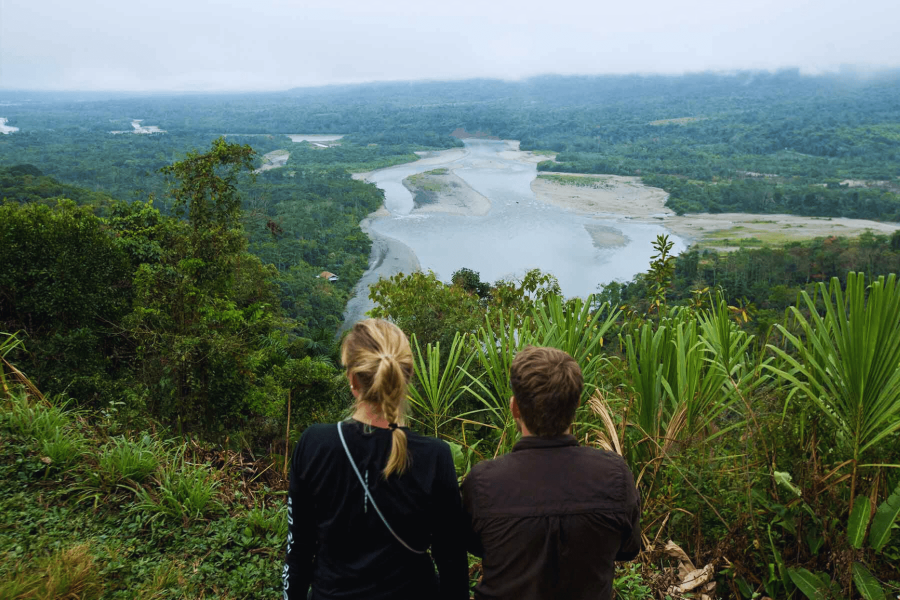
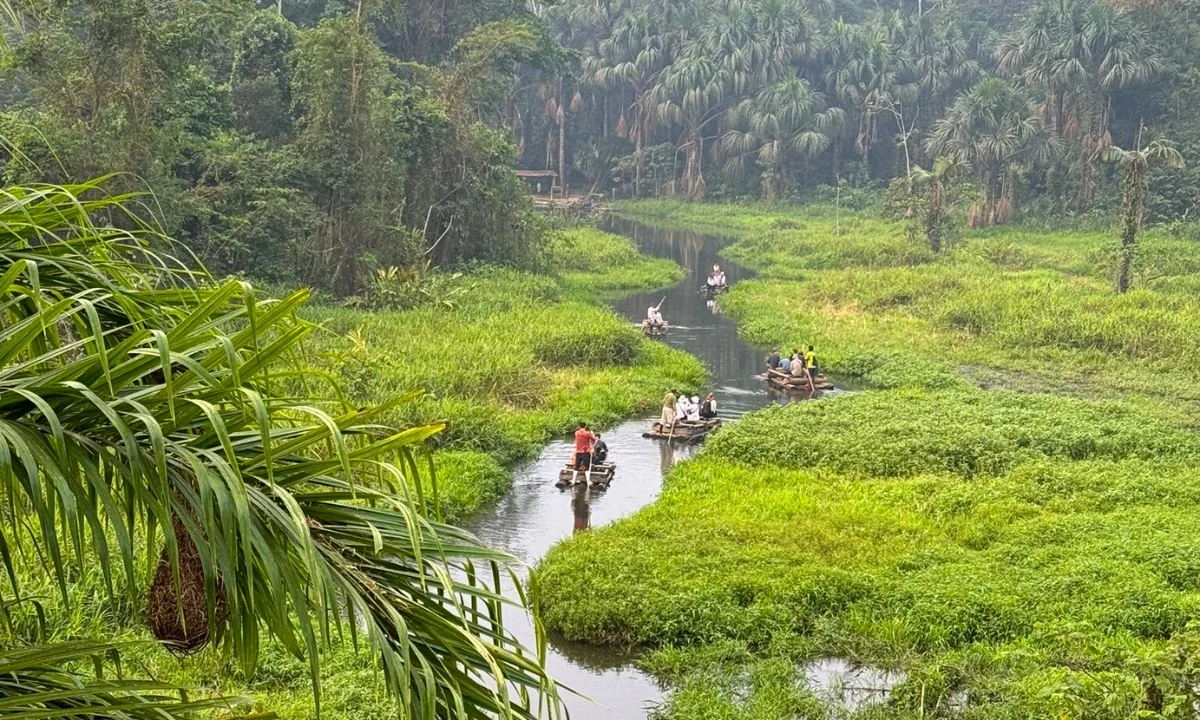
The wildlife observation trip in Manu allows you to discover one of the greatest concentrations of biodiversity in the world. This destination, located between the regions of Cusco and Madre de Dios, protects one of the greatest concentrations of biodiversity on the planet and offers the opportunity to observe animals in their natural habitat, far from the crowds and surrounded by the spectacular landscapes of the Peruvian Amazon. Accompanied by expert guides, you will travel through tropical forests, rivers, and lagoons while exploring one of the most important and biodiverse protected areas in the world.
Biodiversity of Manu National Park: Wildlife
The Manu is famous for its biodiversity, protecting more than 1,716,000 hectares of tropical and montane forests where nearly 160 species of mammals and more than 1,000 species of birds have been recorded. Among the mammals are the jaguar (Panthera onca, also called otorongo), the small and elusive jaguarundi (Felis yagouaroundi), the Amazonian tapir or sachavaca (Tapirus terrestris), mazama deer, peccaries (white-lipped and collared peccaries), and the giant river otter (“river wolf,” Pteronura brasiliensis). Several species of monkeys also inhabit the area (woolly monkeys, spider monkeys, howler monkeys, capuchins), as well as pumas, spectacled bears in the highlands, scarlet, red-and-green, and blue-and-yellow macaws, toucans, quetzals, hummingbirds, and the emblematic Andean Cock-of-the-rock (the national bird of Peru).
Reptile and amphibian diversity is equally impressive: there are nearly 140 amphibians, 50 snake species, turtles, and small black caimans. For example, it is possible to see black caimans (Melanosuchus niger) in the rivers, curious yellow-spotted river turtles, and South American anacondas in the lagoons (cochas). Manu is also home to hundreds of insect species and thousands of butterflies. This combination of unique wildlife makes Manu a dream destination for lovers of wildlife tourism and animal observation in their natural habitat.
How to Get to Manu National Park from Cusco
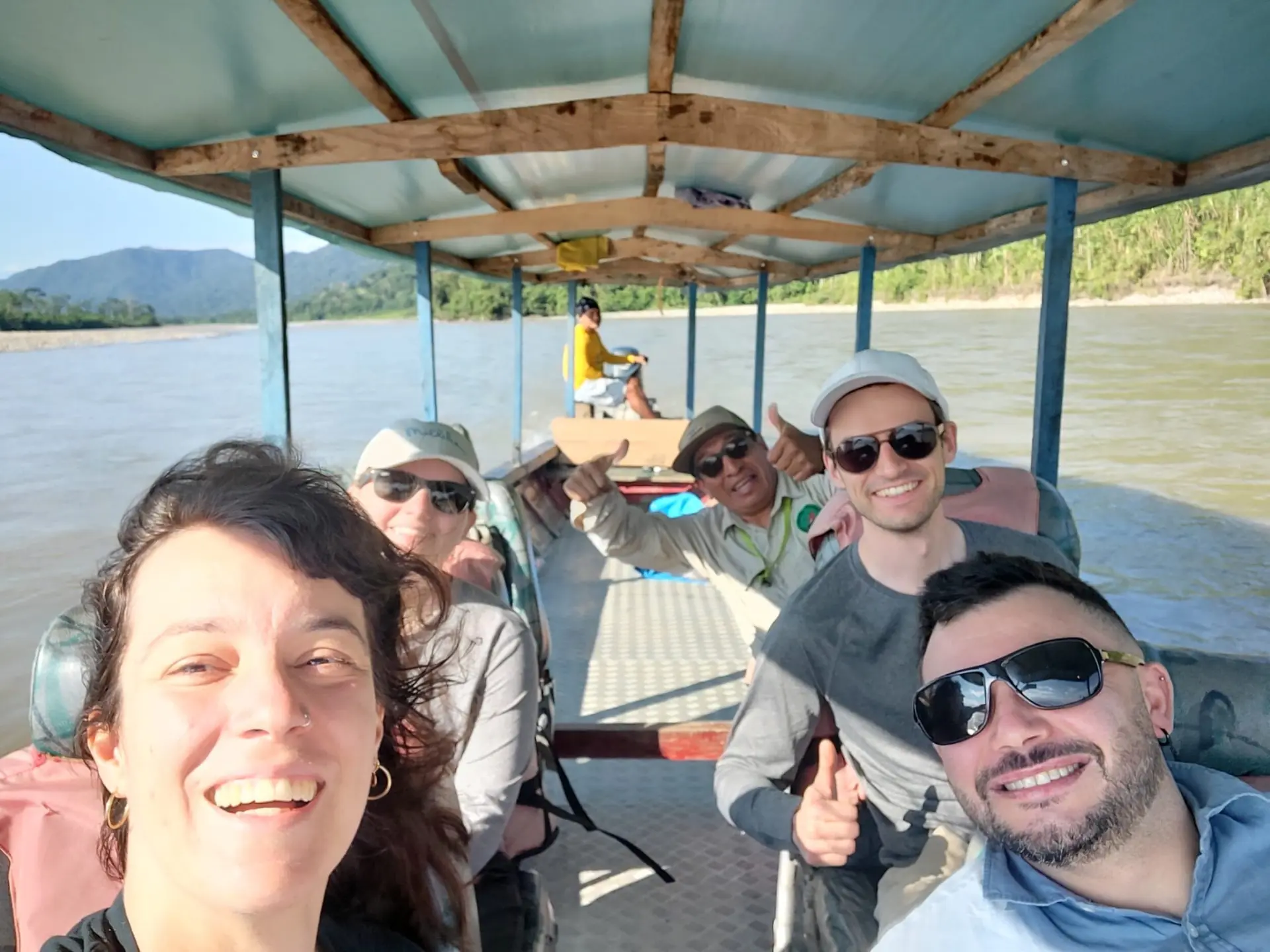
Access from Cusco combines road and river travel on a scenic journey. The usual route begins early in Cusco, heading east by road through Paucartambo. Then you ascend to Abra Acjanaco (3,560 m), the boundary between the Andes and the rainforest, with spectacular views. Next, you descend along the Quincemil Highway to Kosñipata (cloud forest) and arrive at Pilcopata. From there, you continue to Atalaya Port, the final point of the road. Finally, you board a boat on the Alto Madre de Dios River toward the jungle lodges.
- Typical route: Cusco – Paucartambo – Abra Acjanaco – Pilcopata – Atalaya.
- River transfer: Atalaya by boat along the Alto Madre de Dios River to the Manu camps.
There are also alternative routes starting in Puerto Maldonado by river (via Blanquillo – Cocha Salvador), but from Cusco the land-and-river route described above is the most accessible.
Highlighted Wildlife to Observe in the Manu National Reserve
1. Mammals of Manu National Park
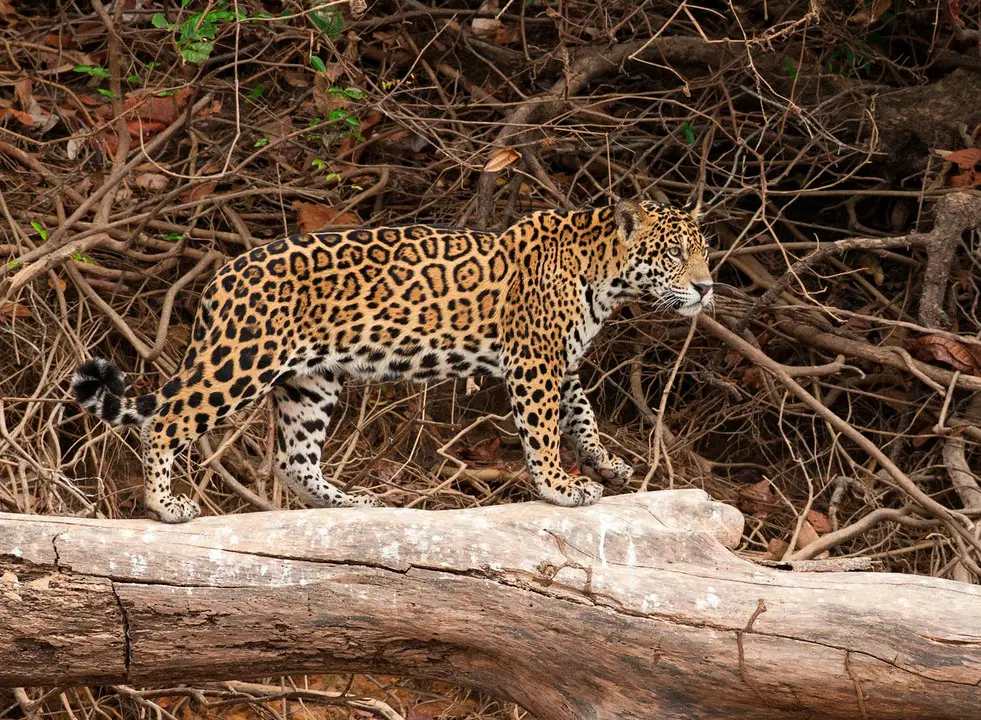
- Jaguar (Panthera onca): The largest feline in the Americas, sometimes seen in the deep jungle and near oxbow lakes.
- Amazonian Tapir (sachavaca, Tapirus terrestris): A large herbivorous mammal that often appears along trails or swampy riverbanks.
- Giant River Otter (river wolf, Pteronura brasiliensis): A charismatic species found in oxbow lakes; visitors often look for family groups swimming in lagoons.
- Capybara (ronsoco, Hydrochoerus hydrochaeris): The largest rodent in the world, commonly found along rivers and lakeshores.
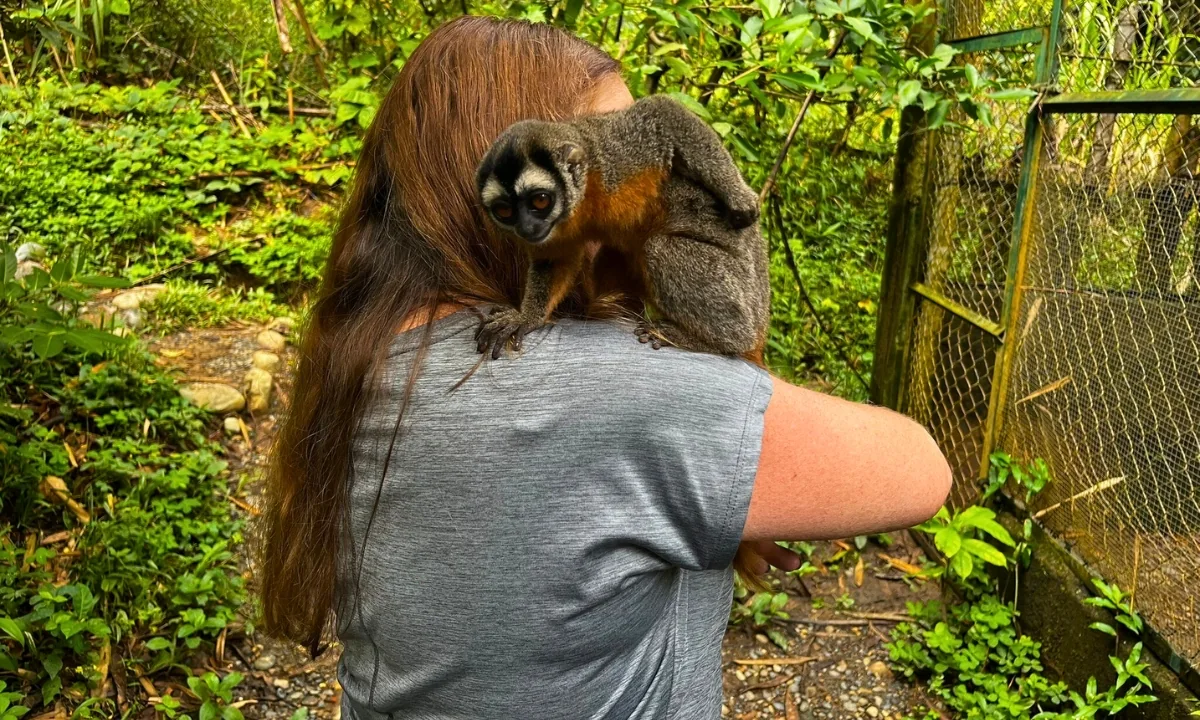
- Monkeys: Several primate species, such as howler monkeys (Alouatta), spider monkeys (Ateles), woolly monkeys (Lagothrix), and capuchins, can be heard in the forest canopy.
- Deer and Peccaries: Mazama deer, gray brocket deer, and peccaries that inhabit the forest understory.
- Others: Giant anteaters, pumas, tapirs, pudús (small deer), and spectacled bears in the highlands.
These are some of the mammals that inhabit Manu. In total, the park is home to dozens of mammal species, many of them rare and endemic.
2. Birds of Manu National Park
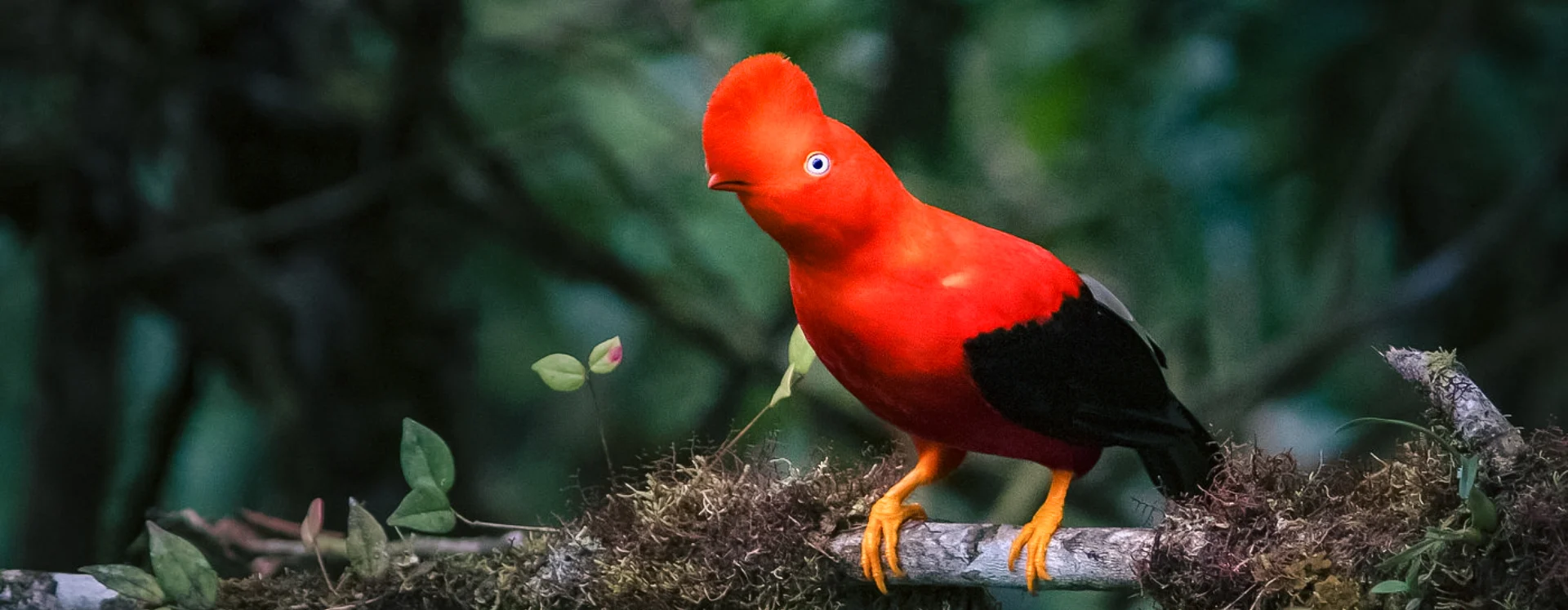
With more than 1,000 recorded bird species (most of them resident species), Manu is a paradise for birdwatching. Highlights include the Andean Cock-of-the-rock (the national bird of Peru), famous for its courtship displays in Andean leks; various species of macaws (scarlet, blue-and-yellow, red-and-green); colorful cotingas and tanagers; toucans, hoatzins (swamp birds), hummingbirds, and many more. Along the shores of the oxbow lakes, aquatic birds such as the moroco, blue-throated hummingbird, and crimson kingfisher can be observed. Each zone (cloud forest, transition forest, and lowlands) offers unique combinations of species.
3. Reptiles and Amphibians of Manu National Park
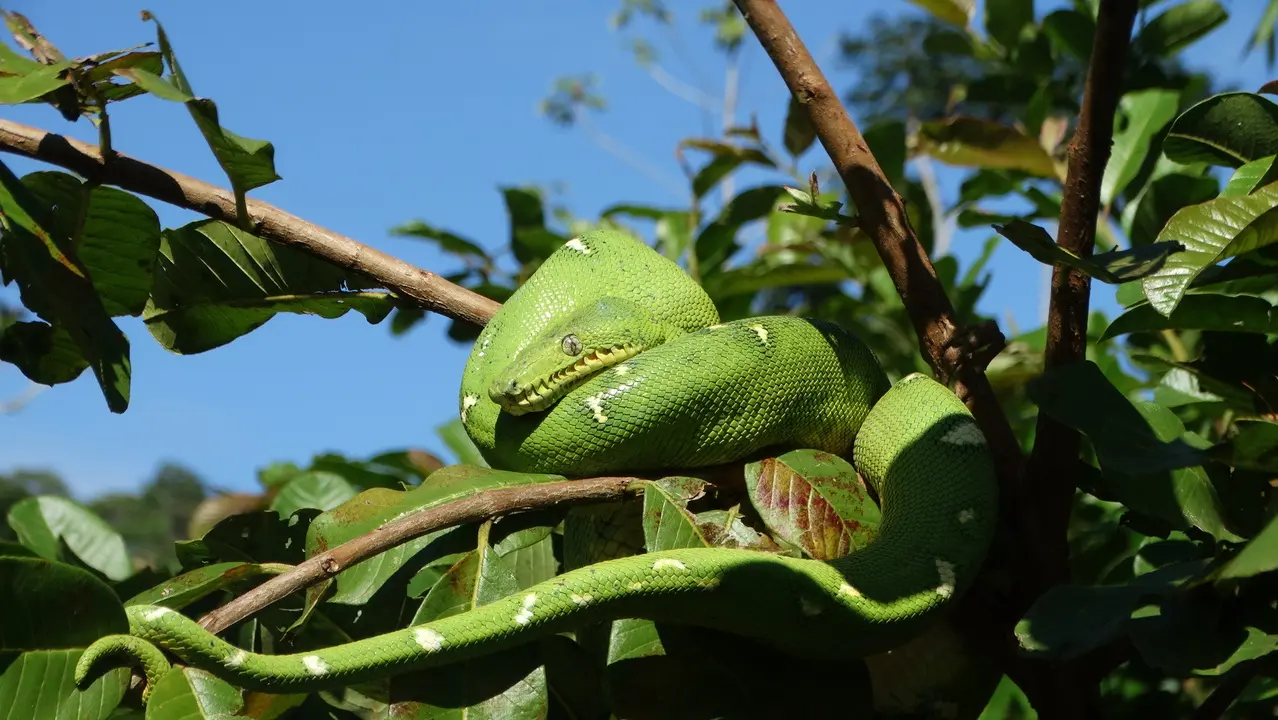
Manu is home to numerous snakes (including boa constrictors and the rainbow boa), black caimans in the rivers, several species of aquatic turtles (taricayas), and lizards. In the oxbow lakes and streams, you can see brightly colored poison frogs and lizard species native to the Amazon. In total, there are nearly 140 amphibians, 50 snake species, and several turtle species recorded in the park. Although they are difficult to spot, a quiet walk at dusk may reveal small frogs, toads, non-venomous snakes, and turtles resting on rocks.
Best Destinations to Visit in Manu
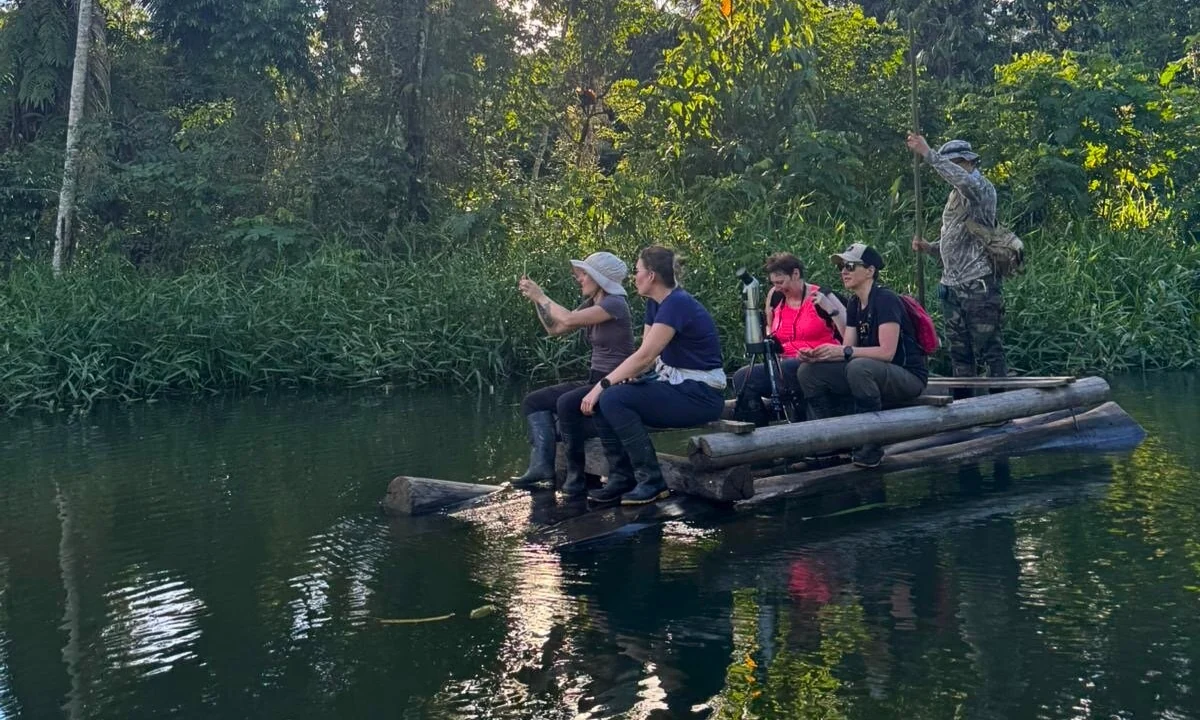
- Cocha Salvador: A large Amazonian freshwater lake. It is home to giant river otters and turtles. There are trails, campsites, and a Matsiguenka lodge. A catamaran ride across the lake allows visitors to observe aquatic wildlife (river otters, fish, birds) and nearby bird clay licks.
- Blanquillo Macaw Clay Lick: A famous colorful clay wall where hundreds of macaws gather at dawn to consume minerals.
- Cocha Otorongo (Reserved Zone): A lake located on the banks of the Manu River. It features an 18-meter observation tower that provides panoramic views of the lake and the surrounding rainforest. From the tower, visitors can see water birds, monkeys in the canopy, and the dense jungle in the background.
- Tres Cruces Viewpoint: Located along the access road to Manu (12,140 ft / 3,700 m). It is famous for offering spectacular sunrise views over the cloud forest, with the sky painted in vibrant colors, especially during the dry season.
- San Pedro Cloud Forest (Kosñipata): At kilometer 60 of the Paucartambo–Pillcopata road lies the San Pedro lek, a hideout for observing the mating display of the Andean cock-of-the-rock. The San Pedro cloud forest is home to orchids, bromeliads, quetzals, and hummingbirds.
- Machuwasi Lake: A small horseshoe-shaped lake surrounded by rainforest (covering approximately 309 hectares). Machuwasi is home to unique species, including hoatzins, kingfishers, Andean geese, and southern screamers, as well as capybaras and caimans along its shores. It features internal trails and sandy beaches, and a catamaran allows visitors to explore the lake at sunset. It is a refuge for wildlife in Manu.
Essential Equipment for Your Wildlife Observation Trip in Manu
To make the most of your experience, be sure to bring the proper equipment:
- Quality binoculars (8×42 or 10×42): Essential for spotting birds and mammals from a distance.
- Bird/Wildlife field guide: An Amazon or Peru field guide will help you identify species.
- Camera with zoom lens: To capture flora and fauna without disturbing the animals.
- Comfortable neutral-colored clothing: Long-sleeved shirts and lightweight pants protect against the sun and mosquitoes. It is recommended to dress in layers, including a cap or hat and breathable shirts.
- Lightweight rain jacket or poncho: Rain is frequent; even during the dry season, a light raincoat can save you from sudden showers.
- Insect repellent and sunscreen: Essential for protection against mosquitoes and the strong tropical sun.
- Headlamp or flashlight: Useful for walking before dawn or after sunset during nighttime wildlife observations.
- Water and snacks: Staying hydrated is crucial in the humid rainforest; bring a reusable water bottle.
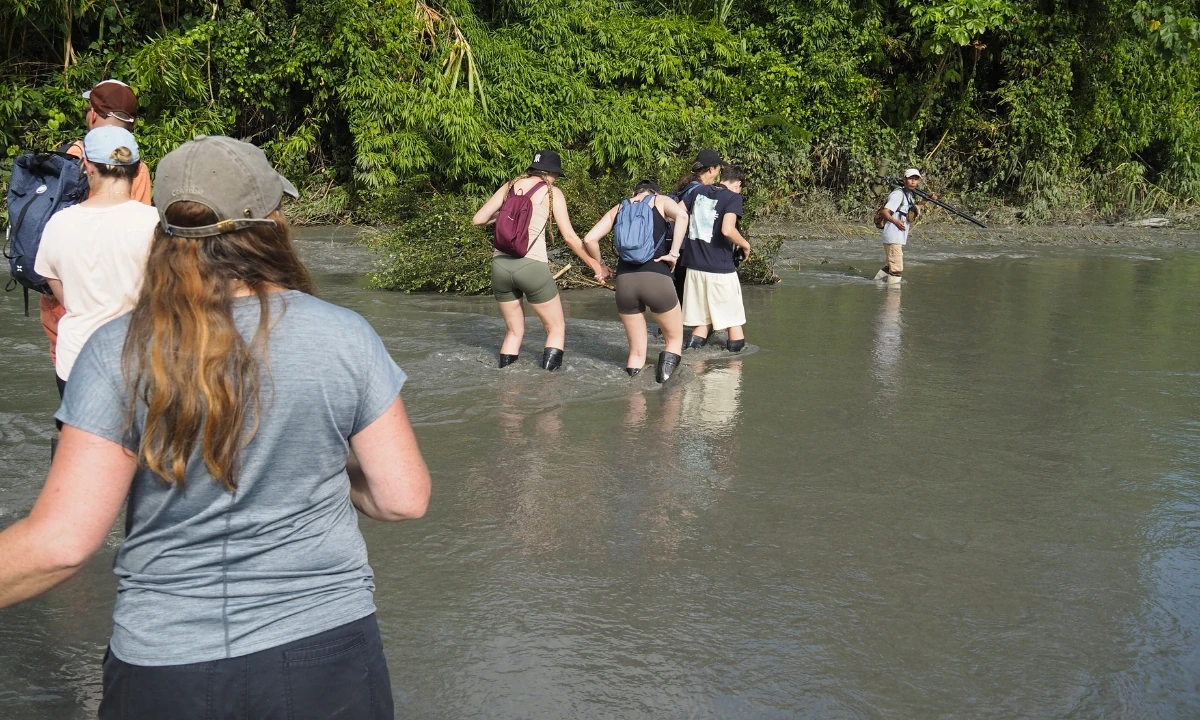
- Waterproof and durable boots: The terrain can be muddy or swampy; proper hiking footwear is essential.
Best Time to Visit Manu National Park
The dry season (April/May through September) is ideal for wildlife watching and river navigation in Manu. During these months, rainfall decreases and temperatures drop slightly, making trails more accessible and skies clearer.
Between December and March (rainy season), rainfall is intense, rivers rise, and some routes become impassable. Note: The season recommended by SERNANP is from April to November. Plan your trip during the dry months for better visibility and greater chances of seeing wildlife.
Frequently Asked Questions About Wildlife Observation Trips in Manu
1. What animals can I see in Manu National Park?
On a wildlife observation trip in Manu, it is possible to spot giant river otters swimming in the oxbow lakes, flocks of colorful macaws in flight, the striking Andean cock-of-the-rock at its lek, tapirs feeding on riverside vegetation, and, with some luck, the elusive jaguar. You may also see monkeys, deer, woodpeckers, toucans, and reptiles such as caimans.
2. Is it necessary to hire an authorized tour or guide to visit Manu?
Yes. To enter Manu National Park, it is mandatory to do so with travel agencies authorized by SERNANP. This ensures that the visit is safe and respectful of the protected ecosystem. All tours must include specialized guides and the corresponding entrance fees. Traveling with an authorized operator also improves wildlife viewing opportunities, as they are familiar with the habitats and routes of the species.
When planning your wildlife observation trip in Manu, experience and safety are essential. To ensure the best service, we recommend booking with us at Travel Peru Agency. We offer personalized adventure tours in Manu. Our expert guides will take you to the best locations to enjoy the Peruvian Amazon. Contact us to design your Manu expedition.