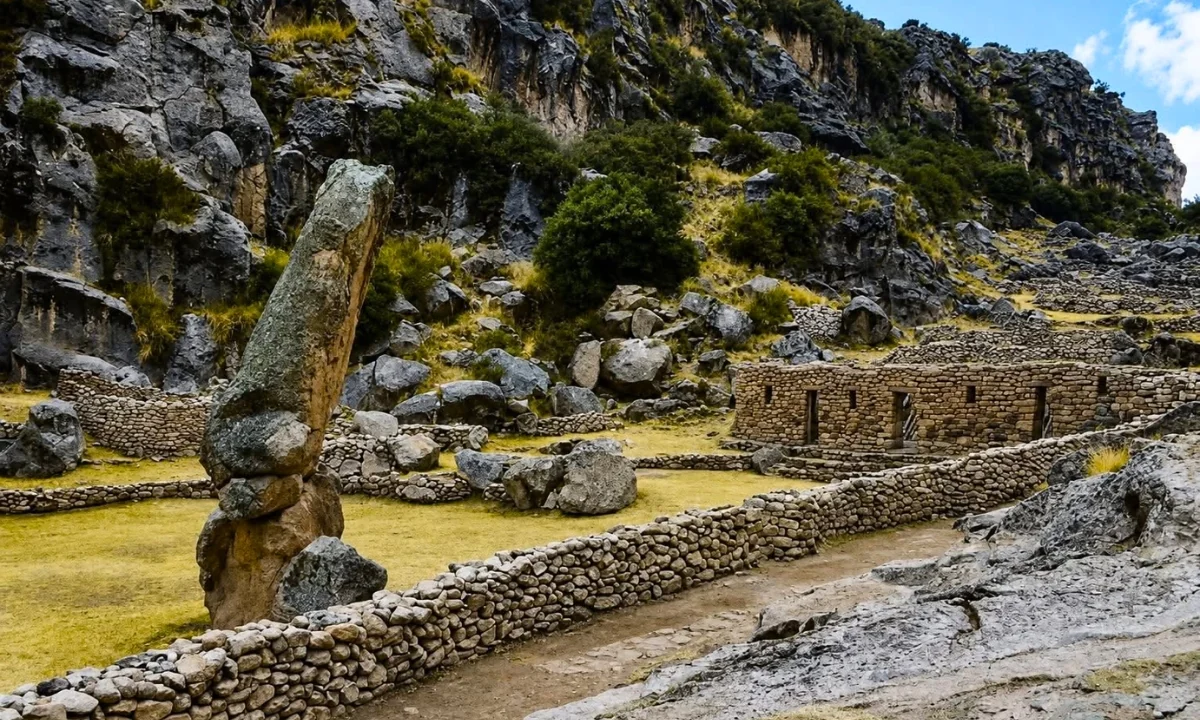
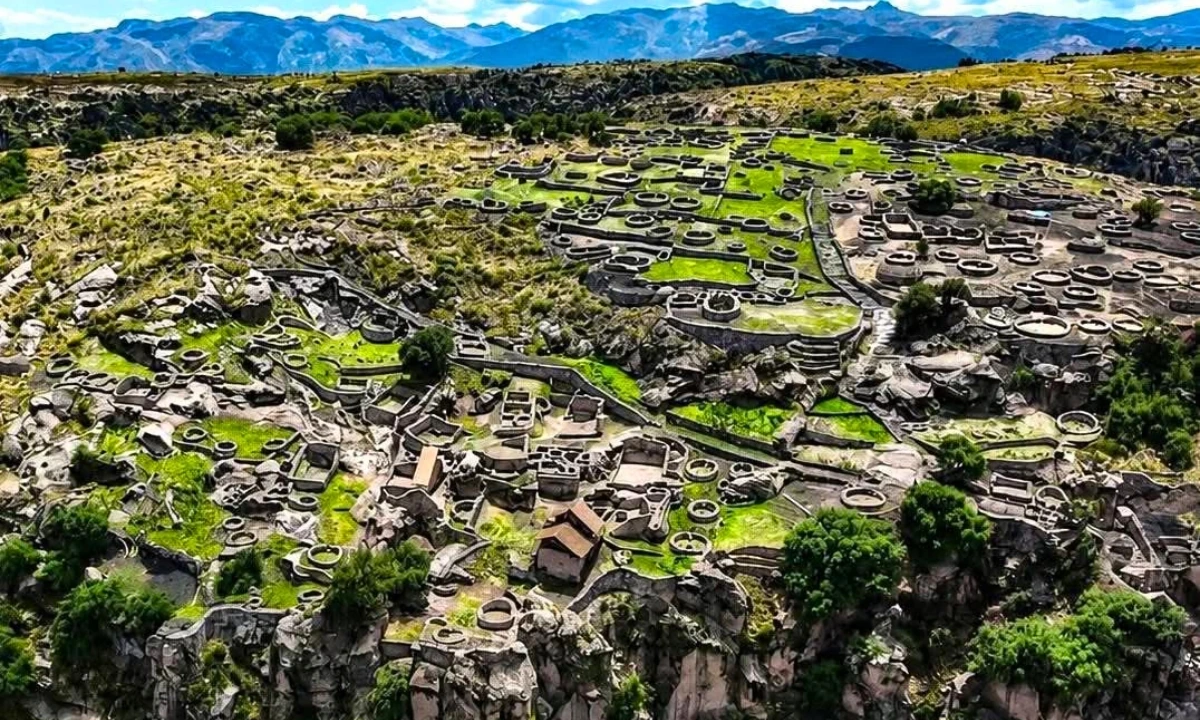
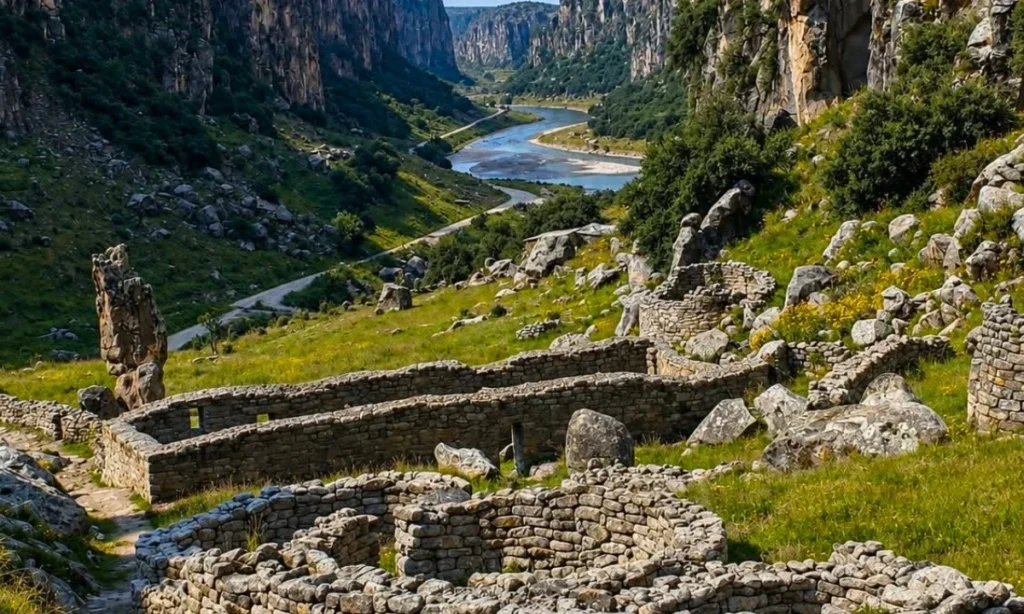
Discover the Taqrachullo Archaeological Complex, also known as María Fortaleza, an enigmatic Inca sanctuary located in the province of Espinar, Cusco. To help you plan your adventure, here is the most comprehensive travel guide to Taqrachullo from Cusco, specially designed for tourists, independent travelers, and students who want to explore this fascinating destination. Here, you will discover where it is located, how to get there, what to see, local legends, and essential travel tips. This astonishing place, surrounded by gigantic cliffs, supernatural canyons, rivers, and archaeological viewpoints that challenge the imagination, is perfect for travelers who dream of exploring lost temples and landscapes that seem straight out of a fantasy world.
Where is Taqrachullo? Location, Route, and Distance from Cusco
Taqrachullo (María Fortaleza) is located in the Suykutambo District, Espinar Province, in southern Cusco. The archaeological site sits at an elevation of approximately 3,900 to 4,100 meters (12,795 to 13,451 feet), atop a rocky cliff overlooking the Apurímac River Canyon. From the city of Cusco, the typical route is:
- Cusco – Sicuani: 3 hours via paved highway (approximately 117 km / 73 miles to the Raqchi Archaeological Park).
- Sicuani – Espinar (Yauri): 2 additional hours.
- Espinar – Taqrachullo: 45 minutes along an unpaved dirt road.
In total, the overland journey from Cusco takes approximately 6 to 7 hours. The final section is challenging due to the road conditions, although improvement works are currently underway. It is recommended to depart very early in the morning and coordinate your visit with a local tour operator. Despite the distance, the journey offers spectacular landscapes of mountains, lagoons, and canyons. Knowing its location is one of the first steps in planning a well-organized travel guide to Taqrachullo from Cusco.
How to Get to Taqrachullo from Cusco: Transportation Options
There are several ways to reach Taqrachullo from Cusco. The most comfortable option is a private tour, although it is also possible to combine public buses. In this travel guide to Taqrachullo from Cusco, we present the most recommended alternatives so you can choose the one that best fits your budget and travel style.
1. Private Tour to Taqrachullo from Cusco
The recommended option is to book a private tour from Cusco. A local guide with private transportation will pick you up at your hotel, travel through Sicuani and Espinar, and take you directly to the entrance of the archaeological complex. This tour includes round-trip transportation, guided explanations, and stops at points of interest along the way. Since this is a remote destination, having a professional guide makes the visit much easier. The itinerary can be customized to match your pace, allowing you to stop at scenic viewpoints and handle any unexpected situations during the journey.
2. Public Transportation from Cusco to Espinar
For independent travelers: regular buses depart from Cusco to the Sicuani bus terminal (3 hours, approximately S/15), and from there, additional buses continue to Espinar (Yauri) (2 hours, approximately S/14). For example, shared vans depart daily from Huayruropata Avenue to both Sicuani and Espinar. Once in Espinar, you will need to hire a taxi or shared vehicle to Suykutambo (30–45 minutes), followed by a local 4×4 vehicle to Taqrachullo. This public transportation route is more affordable but also more complicated. It requires time, coordination, and patience, as the final sections pass through rural roads. For this reason, many travelers prefer the private tour.
What Does the Name Taqrachullo Mean?
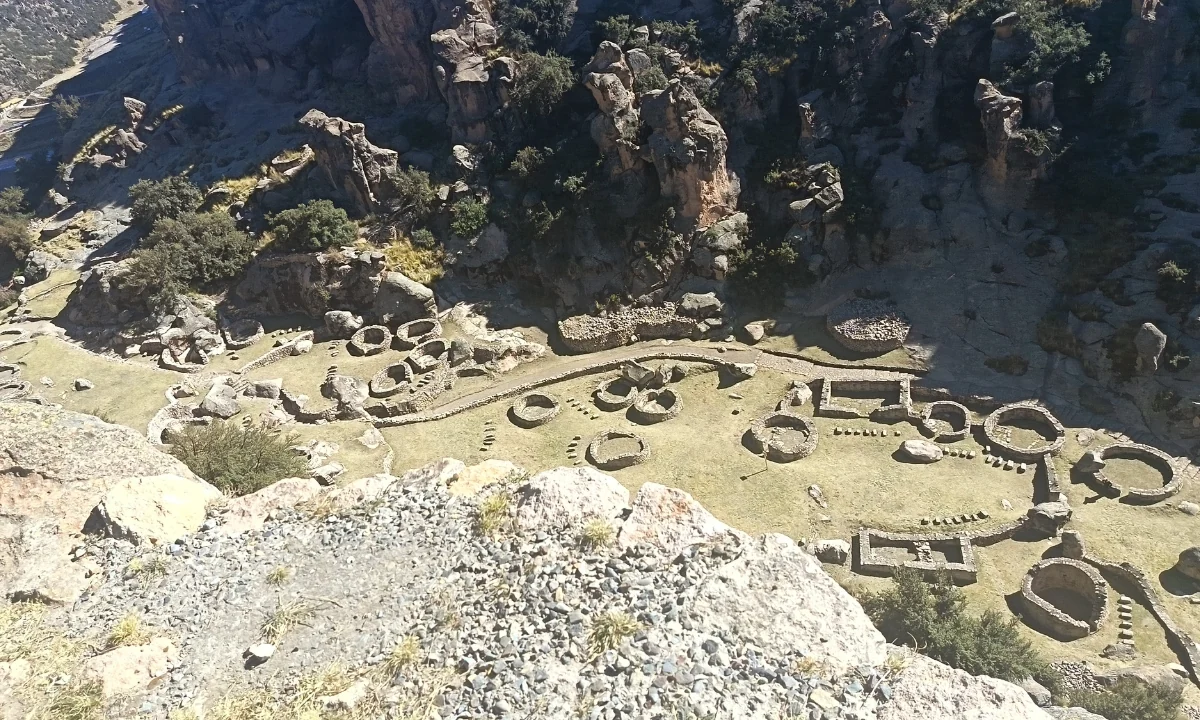
Taqrachullo is of Quechua origin and literally means “mother rock where water collects”. It is formed from two terms: t’acra (“rocky bed, mother stone”) and chullo (a natural water deposit or remnant in the rock). In other words, it describes a rocky fortress on top of a hill where small natural pools or springs are formed. This name is not poetic but descriptive: the Incas named places according to their exact geographical characteristics. Thus, the site is not a military fortress but a cluster of rock formations where rainwater was naturally retained.
What to See During the Taqrachullo Tour from Cusco
A visit to Taqrachullo offers a unique combination of Inca architecture and breathtaking Andean scenery. Among the highlights, you will find:
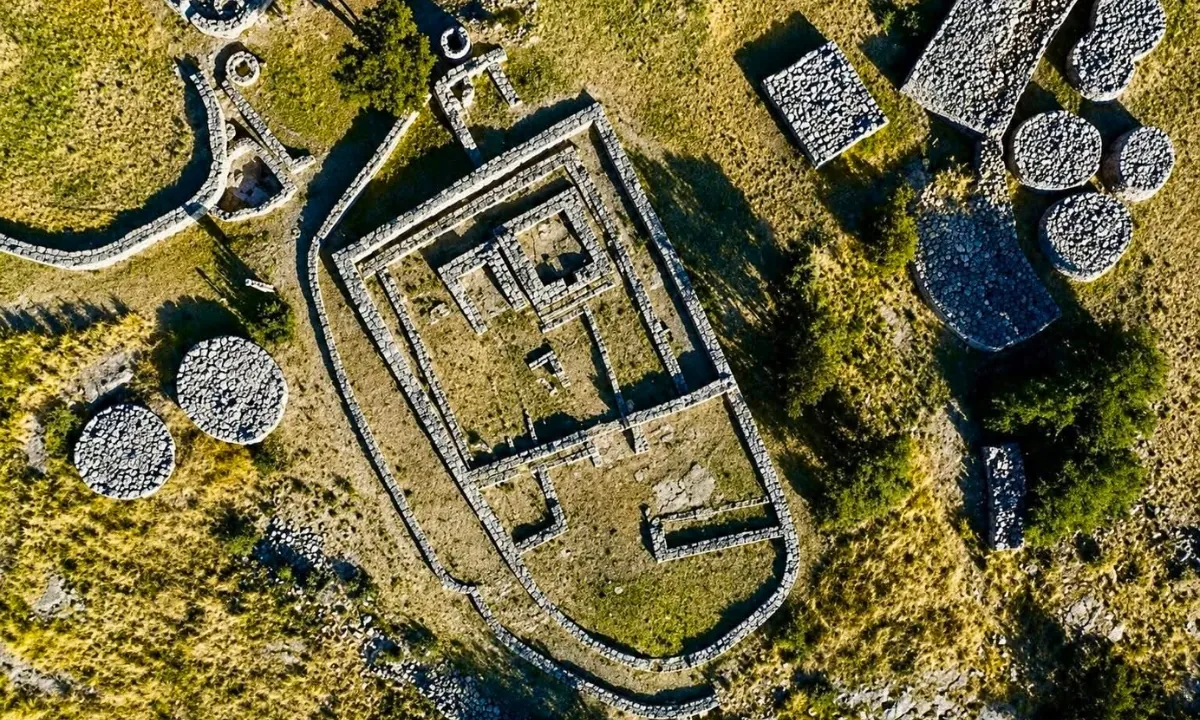
- Funerary Chullpas: Cubic stone towers that house the skeletons of Inca nobility (mallquis). Many chullpas feature vaulted ceilings.
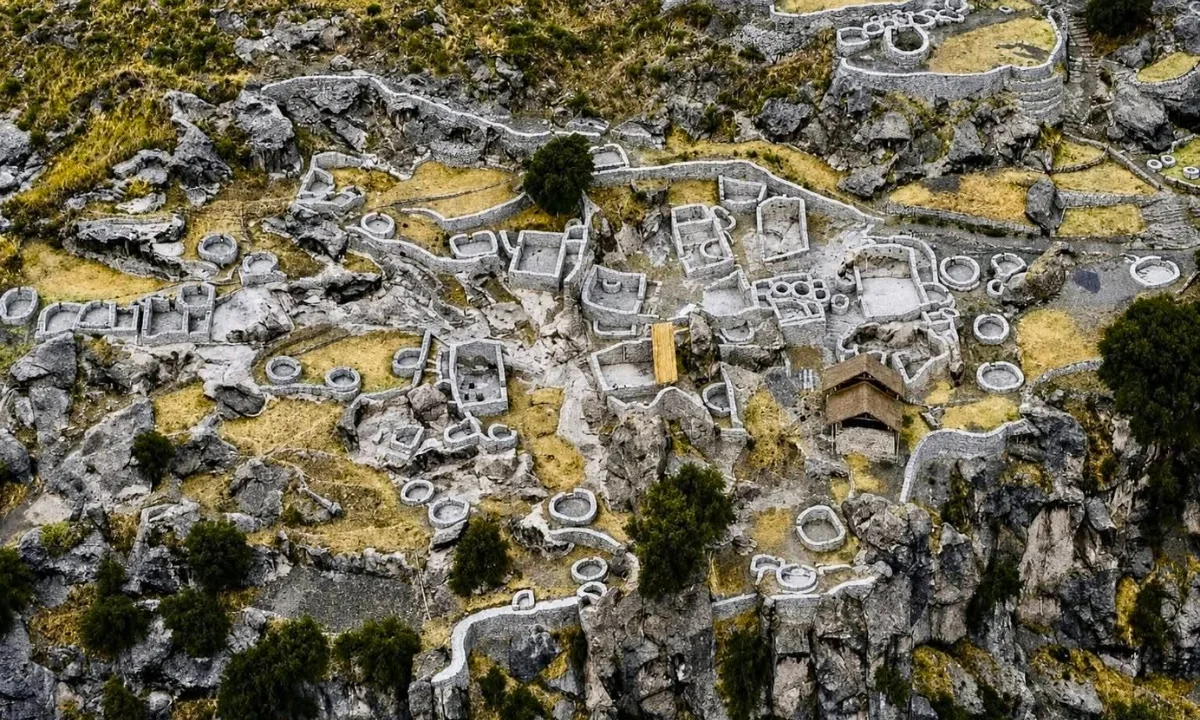
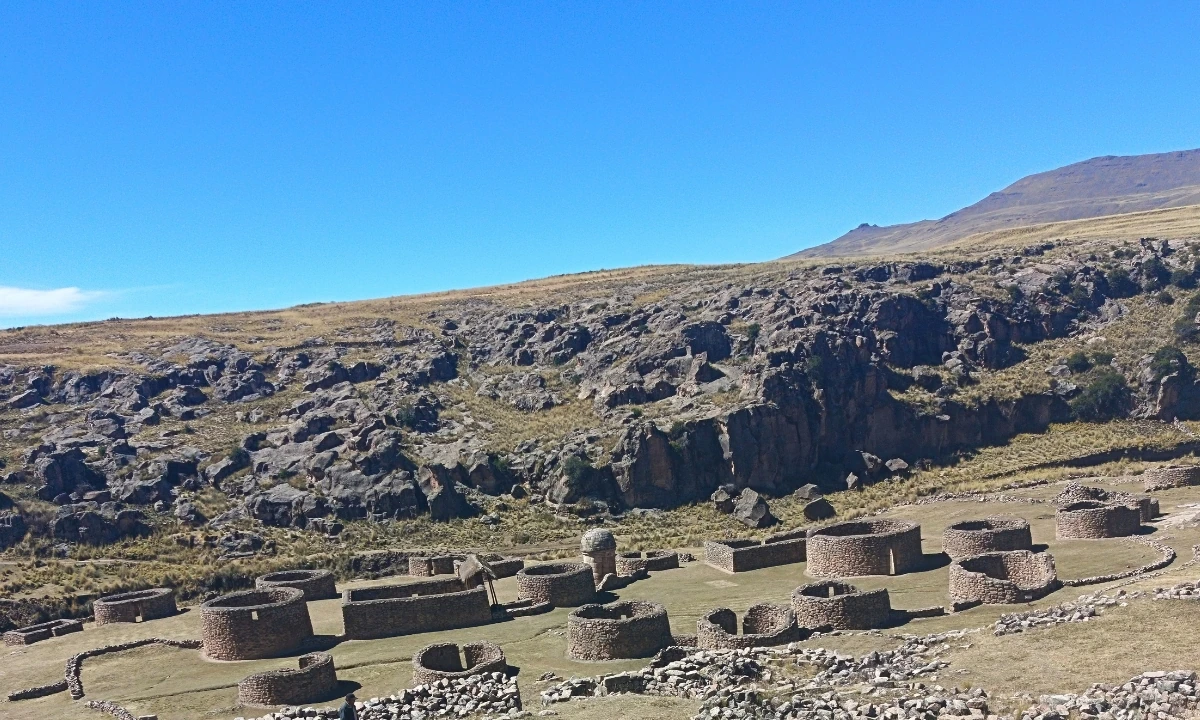
- Colcas: Circular or rectangular Inca storehouses used to preserve grains and resources. There are dozens of colcas, bearing witness to the logistics of the Inca Empire.
- Residential and Ceremonial Structures: Remains of stone houses and plazas with a variety of shapes (circular and rectangular), indicating different community or ritual purposes.
- Inca Roads: Original sections of the Qhapaq Ñan (Inca Road System), which connected Taqrachullo with other parts of the empire.
- Archaeological Artifacts: Excavations have uncovered thousands of elite metal and ceramic objects, including bracelets, breastplates, and imperial-style pottery.
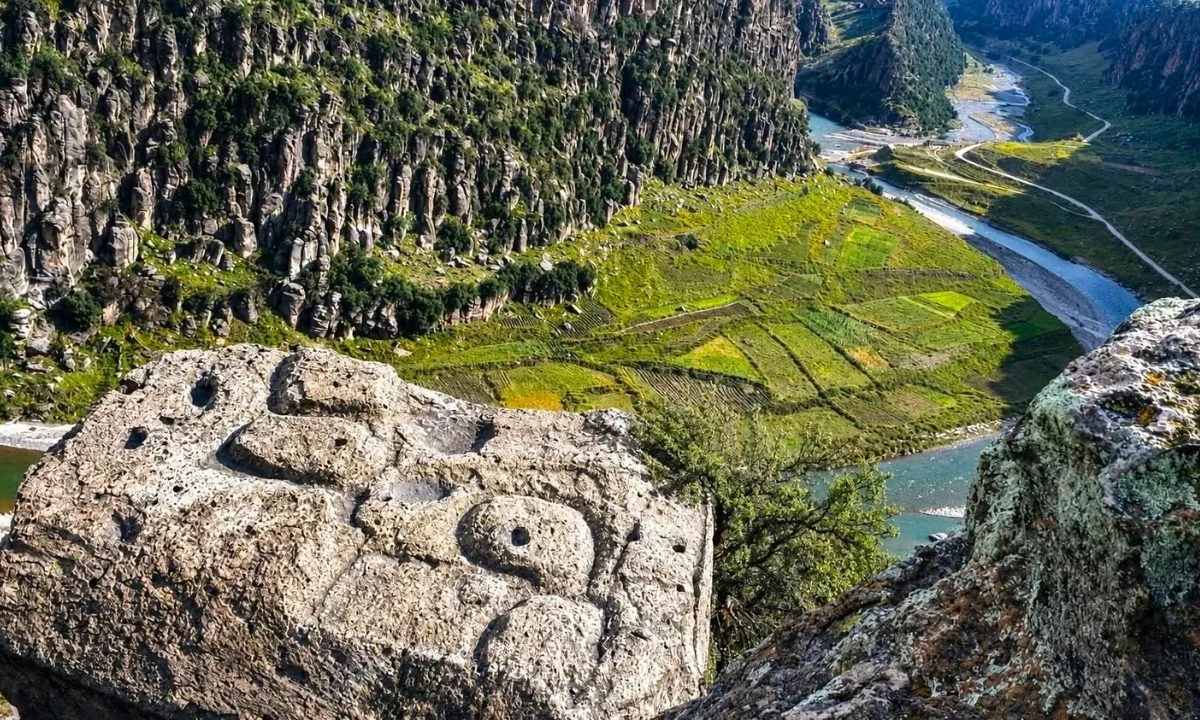
The entire complex is impressive for its scale: more than 600 structures have been recorded, making Taqrachullo one of the largest archaeological sites in Cusco. It is recommended to explore it at a leisurely pace with a guide, who can point out hidden details throughout the site. The views from the summit are breathtaking, overlooking the Apurímac River Valley and the Three Canyons of Suykutambo.
Other Nearby Destinations on the Route to Taqrachullo
If you are traveling from Cusco, you can also take the opportunity to visit other attractions along the Cusco–Sicuani–Espinar route:
- Raqchi Archaeological Site: Located about 117 km (73 miles) from Cusco (2 hours 30 minutes), in San Pedro (Canchis). It is home to the famous Temple of Wiracocha, featuring 14-meter-high (46-foot) columns and more than 200 Inca colcas. Raqchi was a strategic center of the Inca Empire.
- Pallay Punchu Mountain: Known as the “Mountain of Ponchos,” it is located in Layo (Canas), south of Cusco. About 189 km (117 miles) from Cusco (4 hours 30 minutes), this colorful mountain offers landscapes similar to Vinicunca. It is reached via a hike from the town of Layo.
- Kanamarca (K’anamarka): An ancient pre-Inca fortress located in Alto Pichigua, Espinar. Situated at approximately 3,900 meters (12,795 feet) above sea level, it is known for its defensive and circular structures built by the K’ana culture. From here, visitors enjoy sweeping views over the surrounding valleys.
- Temple of Saint Francis of Assisi (Apachacco, Coporaque): A 16th-century colonial Baroque church located in Apachacco, Coporaque. Its carved volcanic stone façade and gilded altars are outstanding examples of Andean colonial art. The colonial Church of Saint Francis of Assisi in Apachacco (Coporaque) is a recommended stop on the route to Taqrachullo.
- Machu-Puente Colonial Bridge: An ancient stone bridge spanning the Apurímac River in Coporaque. Built during the colonial period, it features stone railings and arches. It is one of the oldest colonial bridges in the region.
- Devil’s Gorge (Laqoyoq): A narrow ravine on the edge of the Apurímac River in Suykutambo. Here, the water has sculpted impressive rock formations, creating the visual illusion that the river is frozen in a swirling vortex.
- Maukallaqta Archaeological Site: An ancient pre-Inca city of the K’ana culture located in Manturca (Coporaque). Just 26 km (16 miles) from Yauri (Espinar), it features plazas and chullpas beside the Apurímac River at an elevation of 3,360 meters (11,024 feet). It is an ancestral settlement surrounded by queuña forests.
- The Three Canyons of Suykutambo: A natural reserve of eroded volcanic formations. Three deep canyons (Apurímac, Callumani, and Cerritambo) converge here, creating spectacular “stone forest” landscapes with rock formations reaching 80 meters (262 feet) high. A natural viewpoint is part of the tour.
Visiting these stops along the way enriches the journey and allows travelers to experience the cultural and natural diversity of southern Cusco. Each destination adds historical and geographical context to the trip to Taqrachullo.
Taqrachullo Archaeological Complex and National Geographic
In 2026, the prestigious magazine National Geographic highlighted Taqrachullo as an archaeological discovery of great importance. They published articles emphasizing its remarkable scale (more than 600 structures across 17.4 hectares) and its Inca discoveries. The discovery of nearly 3,000 metal artifacts (gold, silver, and copper ornaments dating from the 15th and 16th centuries) associated with the Inca elite was widely reported. These publications have placed Taqrachullo “on the world map” of archaeological tourism. As a result, the name Taqrachullo (in Quechua) has gained international recognition alongside its colonial name, María Fortaleza. National Geographic’s coverage provides scientific support for the site’s significance and encourages travelers to explore it as a major new destination.
History and Legends of Taqrachullo
Taqrachullo was a strategic point on the Qhapaq Ñan, the Inca road network that connected the main centers of the empire. Its location in Espinar made it possible to control the route between the Altiplano plateau and the southern Andean lands, ensuring the movement of resources and troops. In fact, the site combines influences from several cultures: Colla, Wari, and the Cana nation have all been identified, all of whom were allied with the Incas in this region. As a result, its architecture reflects a complex hierarchy, with administrative areas (colcas), residential sectors, ceremonial spaces, and funerary structures coexisting. During the Inca period, Taqrachullo may have functioned as a high-level logistical and religious center.
Regarding myths and legends, one of the most well-known stories is that of “Chuño,” a stray dog that arrived during the archaeological excavations in 2022. Chuño became famous as the guardian of the archaeological site, accompanying the research team and walking alongside visitors. Although he is not part of traditional Andean folklore, this friendly dog became a beloved figure among tourists and local media, symbolizing the living connection between the present-day community and its cultural heritage.
Archaeological Discoveries at Taqrachullo: Jewelry, Pottery, and Funerary Structures
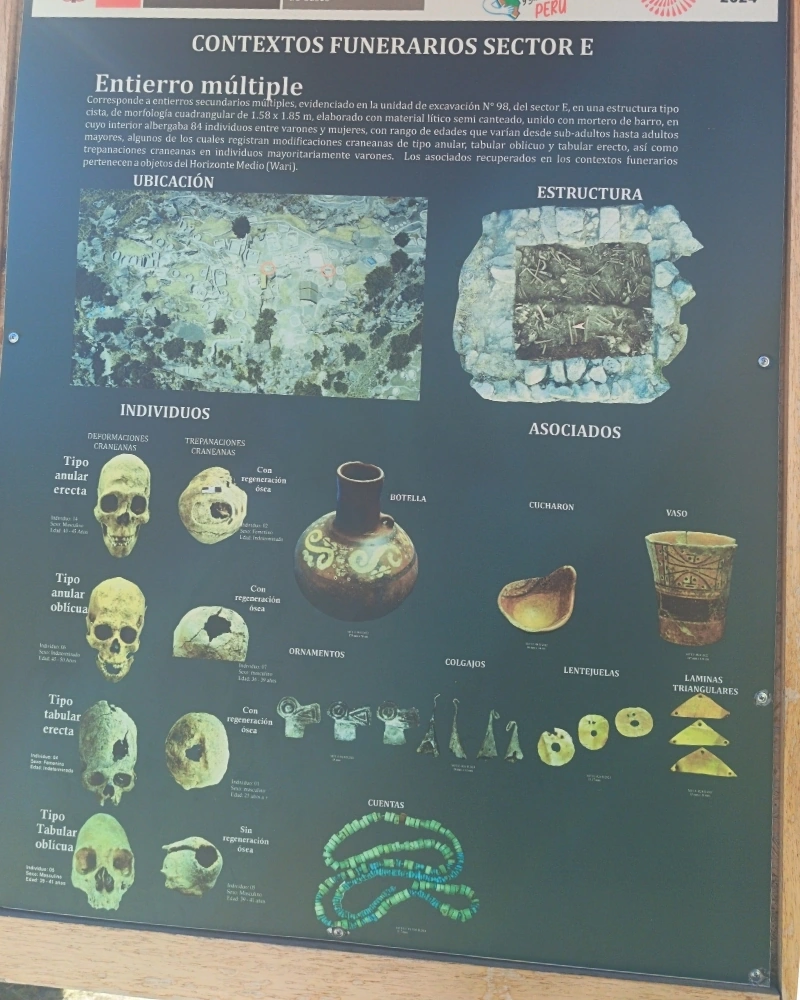
Recent excavations (2019–2024) have uncovered thousands of valuable artifacts at Taqrachullo. Archaeologists have recovered more than 3,000 precious metal objects (sequins, breastplates, gold, silver, and copper bracelets), indicating the presence of Inca nobility at the site. In addition, abundant fine pottery and stone tools associated with ceremonial and funerary contexts have also been discovered. The most remarkable structures are the chullpas: tower-shaped stone chambers where the mummies of local leaders were laid to rest. These discoveries (jewelry, pottery, and stone artifacts) confirm that Taqrachullo was an elite center with both ritual and administrative functions. All recovered artifacts are currently under the protection of Peru’s Ministry of Culture, and there are plans to exhibit them in local museums to tell the story of this “fourth temple of the empire.”
Best Time to Visit the Taqrachullo Archaeological Complex
Taqrachullo is located in the high Andes, where the climate is cold and dry. There are two main seasons: the dry season (April to November), with sunny days and very cold nights, and the rainy season (November to March), characterized by frequent rainfall and cloudy skies. With this travel guide to Taqrachullo from Cusco, you can enjoy your adventure safely and comfortably.
For greater safety and comfort, traveling during the dry season is highly recommended. Between June and August, although it is the peak tourist season, temperatures become colder and nighttime windstorms may occur. During the rainy season, roads can become impassable due to mud. Be sure to check the weather forecast (some areas are located between 3,900 and 4,100 meters above sea level) and bring clothing suitable for high-altitude conditions, as UV radiation is intense during the day while temperatures drop significantly after sunset.
Recommendations and What to Bring When Visiting Taqrachullo
To make the most of your Taqrachullo tour and travel safely, consider these practical recommendations:
- Acclimatization: Spend at least one day in Cusco (approximately 3,400 meters / 11,155 feet above sea level) before your trip to adapt to the altitude.
- Appropriate Clothing: Dress in layers. Bring warm clothing (thermal jacket and pants), a hat, gloves, and a scarf for the cold nights, as well as a long-sleeved shirt.
- Sun Protection: The Andean sun is very intense. Bring high-SPF sunscreen, sunglasses, and a wide-brimmed hat or cap.
- Comfortable Footwear: Wear hiking boots or trekking shoes with good traction, as the terrain is uneven.
- Water and Snacks: Stay well hydrated and carry at least 2 liters (0.5 gallons) of water per person. Bring nuts or energy snacks, as there are no stores along the route.
- Additional Gear: Bring trekking poles (helpful on steep sections), a headlamp (in case your return is delayed), and a basic first aid kit.
- Local Currency: Although admission is free, you may be required to register with a permit from the Regional Directorate of Culture. Carry Peruvian soles in case you wish to buy handicrafts or pay for additional transportation along the route.
- Guide or Tour: Hiring a local guide is highly recommended. They know the route, the site’s history, and can ensure proper logistics. If you decide to travel independently, inform someone of your travel plans and your estimated return time.
With everything prepared, your visit to Taqrachullo will be safe and unforgettable. Always follow the instructions of the cultural heritage staff (do not touch the walls, do not smoke, etc.) to help preserve this extraordinary legacy.
Travel Guide to Taqrachullo from Cusco FAQs
1. How long does the trip from Cusco to Taqrachullo take?
The entire journey takes approximately 6–7 hours by road. First, it is a 3-hour drive to Sicuani, followed by 2 hours to Espinar, and finally a 45-minute drive along an unpaved road to reach the site.
2. Do I need to pay an entrance fee or obtain a permit to visit Taqrachullo?
Currently, admission to the Taqrachullo Archaeological Complex is free of charge. Visitors are only required to register in the visitor logbook upon arrival. However, due to its growing popularity, Peru’s Ministry of Culture may introduce an entrance fee in the future.
3. How long does it take to explore the Taqrachullo Archaeological Site?
An average visit to the archaeological complex takes between 1.5 and 2 hours. It depends on your walking pace and the number of stops you make. The site includes areas separated by small elevation changes, and there are approximately 600 structures. Taking your time allows you to explore the tombs, plazas, and enjoy the scenery without rushing.
4. Which travel agency is recommended for visiting Taqrachullo?
We recommend booking with a specialized travel agency that can customize your itinerary. Travel Peru Agency is a leading operator for these tours. We offer private transportation, certified tour guides, and itineraries tailored to your preferences.
5. Is it necessary to visit Taqrachullo with a guide?
Yes. Since Taqrachullo is a remote destination with limited cell phone coverage, visiting with a professional guide is highly recommended. A guide not only explains the site’s history and cultural significance but also manages permits and transportation. They simplify the logistics of the long journey and highlight the site’s most important archaeological features.
Please plan your visit in advance and help protect this cultural heritage site. We hope this Travel Guide to Taqrachullo from Cusco helps you enjoy an unforgettable experience. Book your tour with us today and discover the majesty of Taqrachullo in person.